

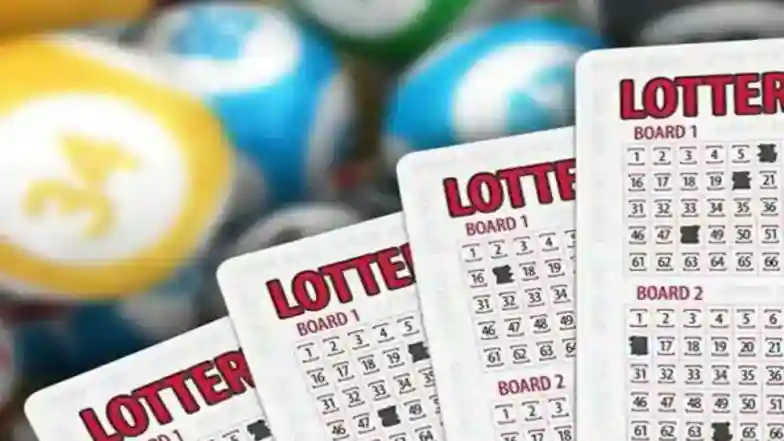
Lotteries have been a source of entertainment, community funding, and dreams of fortune for centuries. While many view the lottery as a simple game of chance, its cultural, economic, and social significance stretches far beyond the draw of numbers. Understanding the lottery in depth means exploring its origins, mechanics, variations, and the ways it continues to shape society today.
What is a Lottery?
A lottery is a form of game in which participants purchase tickets containing numbers or symbols, with winners determined by a random draw. The prize can range from modest sums to life-changing jackpots. The core principle of the lottery is chance: no skill, background, or strategy can guarantee success. Yet, its appeal lies in the opportunity it provides for anyone, regardless of status, to experience a potential windfall.
A Brief History of Lotteries
The history of lotteries dates back thousands of years:
-
Ancient roots: Records from China’s Han dynasty (circa 205 BC) indicate the use of lottery systems to fund major projects such as the Great Wall.
-
Roman Empire: Lotteries were often held during feasts, where participants received tickets for a chance to win prizes ranging from valuables to land.
-
Medieval Europe: By the 15th century, lotteries became a popular tool for raising funds for towns, fortifications, and charitable causes.
-
Modern era: National lotteries emerged across Europe in the 16th and 17th centuries, with states realising the potential of regulated draws as a reliable source of public income.
Today, lotteries are not only government-backed but also widely adopted for charitable purposes, funding education, healthcare, and infrastructure.
How Lotteries Work
The lottery process can vary by jurisdiction, but common steps include:
-
Ticket purchase: Participants buy tickets either physically or online.
-
Number selection: Players may choose their own numbers or use an automated quick pick.
-
Draw event: Winning numbers are selected, typically using random number generators or mechanical drawing machines.
-
Prize distribution: Prizes are awarded based on how many numbers match, with higher matches receiving larger rewards.
-
Claiming winnings: Winners must claim prizes within a specified time, often with the choice between a lump sum and annual instalments.
Popular Formats of Lottery Games
Lotteries come in various formats, each with unique rules and appeal:
-
Number draws: The most common type, where players pick numbers from a fixed pool.
-
Raffle tickets: Each ticket has a unique number, with winning tickets drawn from a pool.
-
Scratch cards: Instant-win games where outcomes are revealed by removing a coating.
-
Daily draws: Smaller games held frequently, offering modest but quick wins.
-
Jackpot rolls: Games where the main prize increases until someone wins, creating record-breaking jackpots.
Why People Play the Lottery
The lottery appeals to a broad audience for several reasons:
-
Hope and aspiration: The chance to dramatically change one’s life overnight is a strong motivator.
-
Entertainment: For many, buying a ticket adds a small thrill to their day.
-
Social tradition: Group plays, syndicates, and workplace pools bring people together.
-
Contribution to society: In many regions, proceeds fund education, healthcare, or community development.
Economic and Social Impact
Lotteries generate billions annually, and their impact can be seen across multiple dimensions:
-
Government revenue: Funds support public services without raising taxes.
-
Charitable funding: Many draws channel profits into schools, hospitals, or cultural initiatives.
-
Employment: The industry creates jobs in retail, administration, and technology.
-
Community projects: Local lotteries often support grassroots initiatives.
Odds and Probabilities
While the dream of winning is powerful, understanding the odds is important:
-
Probability of major wins: Large jackpots often have odds in the range of 1 in tens of millions.
-
Smaller prizes: Many games provide higher chances of modest wins, keeping players engaged.
-
Expected value: In almost all cases, the average expected financial return is lower than the ticket price, making lotteries primarily a form of entertainment rather than investment.
Responsible Play and Awareness
Responsible participation ensures the lottery remains fun and safe:
-
Set limits: Budget for tickets as you would for other leisure activities.
-
Avoid reliance: The lottery should never be viewed as a financial plan.
-
Awareness campaigns: Many organisations promote healthy play habits and provide support for those at risk of developing gambling problems.
Innovations in the Lottery Industry
Modern technology has transformed the way people engage with lotteries:
-
Online platforms: Players can buy tickets, check results, and manage accounts digitally.
-
Mobile apps: Instant access makes participation more convenient than ever.
-
International draws: Global participation in mega-jackpots has expanded the player base.
-
Interactive formats: Digital scratch cards and live draws appeal to younger demographics.
Psychological Aspects of Lottery Play
The lottery is deeply connected to human psychology:
-
Optimism bias: People tend to overestimate their chances of winning.
-
Rituals and beliefs: Many players adopt lucky numbers or routines, adding personal meaning.
-
Emotional engagement: Even without winning, the anticipation of results creates excitement.
Lottery in Popular Culture
Lotteries frequently appear in books, films, and folklore. They symbolise luck, fate, and the unpredictability of life. Stories of both life-changing wins and the struggles that sometimes follow highlight the dual nature of sudden wealth.
Frequently Asked Questions (FAQ)
How is a lottery different from other forms of gambling?
Unlike games requiring skill or strategy, lotteries rely solely on random chance. Everyone has an equal opportunity, regardless of experience or background.
What happens to unclaimed lottery winnings?
Unclaimed prizes often return to the prize pool, support future jackpots, or are redirected into charitable and state funds depending on local regulations.
Can lottery winners stay anonymous?
In some regions, winners may remain anonymous, while in others, transparency laws require disclosure to the public.
Are online lottery tickets safe to buy?
Yes, when purchased from official and regulated platforms. Players should always verify that a service is licensed and recognised in their jurisdiction.
Do lottery winnings get taxed?
Tax treatment varies widely. In some countries, winnings are tax-free, while in others, a portion is withheld or taxed as income.
What are common myths about winning the lottery?
Popular myths include the idea that playing the same numbers increases your odds or that certain draws are “due” for a win. In reality, each draw is entirely independent and random.

Comments are closed.